




Packing for Canada is less about bringing more and more about bringing the right things. Mountain weather shifts quickly, towns are far apart, and a forgotten document can stall your plans at the airport. This travel kit list covers what to sort before you leave, how to layer for the Rockies, and what belongs in your day bag.
What Should Be on Your Travel Kit List for Canada?
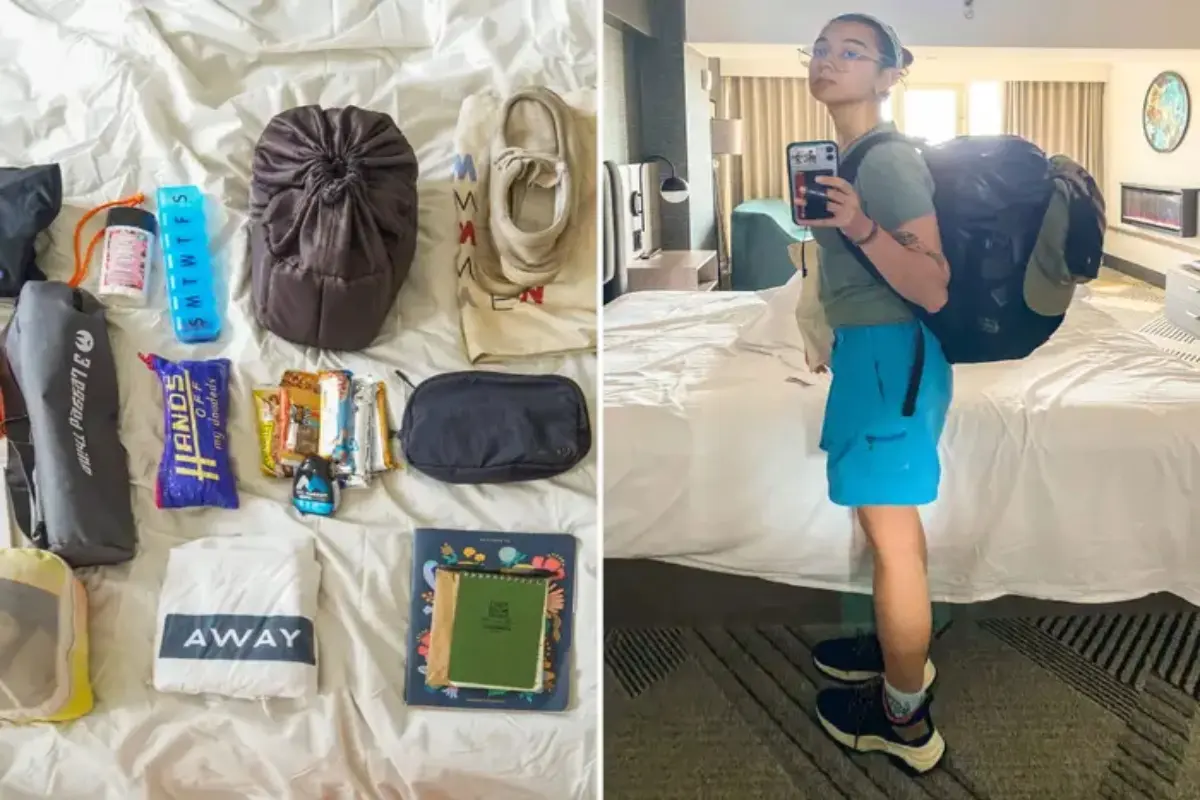
Your Canada travel kit list should cover valid travel documents (passport plus an eTA if you need one), payment cards and a little Canadian cash, layered clothing with a waterproof jacket, comfortable walking shoes, sun protection, any medication, a phone charger with a Type A/B plug, and a small daypack for sightseeing days.
| Category | Must-haves | Why it matters in Canada |
| Documents | Passport, eTA or visa, travel insurance, bookings | Airlines check your eTA before you board |
| Money | Credit or debit card, some Canadian cash | Cards work almost everywhere; small shops may prefer cash |
| Clothing | Base layer, fleece, waterproof shell, toque | Mountain weather can swing 10°C or more in a day |
| Footwear | Broken-in walking shoes or light hikers | Lakeshore and canyon trails can be wet or icy |
| Health | Medication, sunscreen, lip balm, small first-aid kit | Sun is stronger at altitude, even when it’s cool |
| Tech | Phone, charger, power bank, Type A/B adapter | Long drives and cold weather drain batteries |
| Day bag | Water bottle, snacks, extra layer, sunglasses | Services are spread out along mountain highways |
Trip Preparation List: What to Sort Before You Pack
The items that cause the most stress aren’t clothes. They’re the documents and bookings you forget until you’re at the airport. Work through this part of your travel checklist two to four weeks before you leave.
Travel Documents and Entry Requirements
Check that your passport is valid for your whole stay. Most visa-exempt visitors flying to Canada need an Electronic Travel Authorization (eTA). U.S. citizens don’t need an eTA, but they do need proper ID such as a valid U.S. passport. Always confirm your own requirements on the Government of Canada eTA page before booking flights.
Keep paper copies of your passport, insurance policy, and bookings in a separate bag from the originals. Save digital copies to your phone too so that you can reach them without signal.
Travel Insurance and Health Coverage
Provincial health plans don’t cover visitors, and a hospital visit in Canada can be expensive. Buy travel medical insurance before you leave and keep the policy number and emergency phone line somewhere easy to find. If you take regular medication, pack enough for your whole trip plus a few extra days, in the original labelled containers.
Park Passes and Bookings
You need a valid Parks Canada pass to stop anywhere in Banff National Park, including viewpoints and lakes, and the same goes for Jasper, Yoho and Kootenay. If you’re driving yourself, buy it ahead of time through Banff & Lake Louise Tourism’s park pass. If you’re joining a guided tour, check the tour page to see whether park entry is included.
Screenshot every booking confirmation: flights, hotels, tours, shuttles and attraction tickets. Mountain areas still have patchy coverage between towns.
Money and Payments
Credit and debit cards, including tap payments, are accepted almost everywhere in Calgary, Banff and Canmore. Still, bring a little Canadian cash for tips, small cafés and the odd parking machine. Let your bank know you’re travelling so it doesn’t flag your card, and check what your card charges for foreign transactions.
Phone, Power and Apps
Canada uses Type A and B plugs at 120 volts, the same as the United States. Visitors from the U.K., Europe, Australia, or Asia will need an adapter, and possibly a converter for devices that aren’t dual voltage. Download offline maps before you head into the parks, and think about an eSIM or a Canadian SIM if your home plan charges high roaming fees.
Clothing Travel Packing List: How to Layer for Canadian Weather
If you only remember one rule from this travel packing list, make it this one: pack layers, not bulk. A few thin pieces you can add or remove work far better than one heavy coat, especially when you’re moving between a warm tour bus, a windy lakeshore, and a glacier.
The Three-Layer System
- Base layer: a moisture-wicking top in merino wool or synthetic fabric. Cotton stays damp and cold once you sweat.
- Mid layer: a fleece or light insulated jacket for warmth.
- Outer layer: a waterproof, windproof shell with a hood. This is the one item you shouldn’t skip, any month of the year.
Footwear
Bring one pair of comfortable, broken-in walking shoes or light hiking shoes with good grip. Trails like Johnston Canyon and the Lake Louise shoreline can be muddy in spring and icy from late fall onward. Add a pair of casual shoes for evenings in town. In winter, insulated waterproof boots make a huge difference, and many visitors also pack slip-on ice cleats for icy paths. If you plan to walk a few trails, our guide to Banff’s easy hiking trails shows what to expect underfoot.
What to Pack by Season
| Season | Clothing to pack | Good to know |
| Summer (June to August) | T-shirts, light pants or shorts, fleece, rain shell, sun hat, swimsuit | Mornings near lakes can be chilly; afternoon storms are common |
| Fall (September to October) | Long sleeves, warm fleece, insulated jacket, toque, gloves | Snow can arrive early at higher elevations |
| Winter (November to March) | Thermal base layers, warm parka, insulated boots, toque, mitts, neck warmer | Cold snaps can drop well below -20°C |
| Spring (April to May) | Waterproof layers, warm mid-layer, waterproof shoes | Trails are often slushy, and some lakes stay frozen |
For winter visits, add hand warmers and a spare pair of warm socks to your day bag. If you’re heading out to see frozen lakes and snowy viewpoints, our winter tours in Banff are a relaxed way to do it without driving on winter roads yourself.
Toiletries and Health: The Travel Essentials List People Forget
Most people remember a toothbrush. Fewer remember the items that matter in a mountain climate.
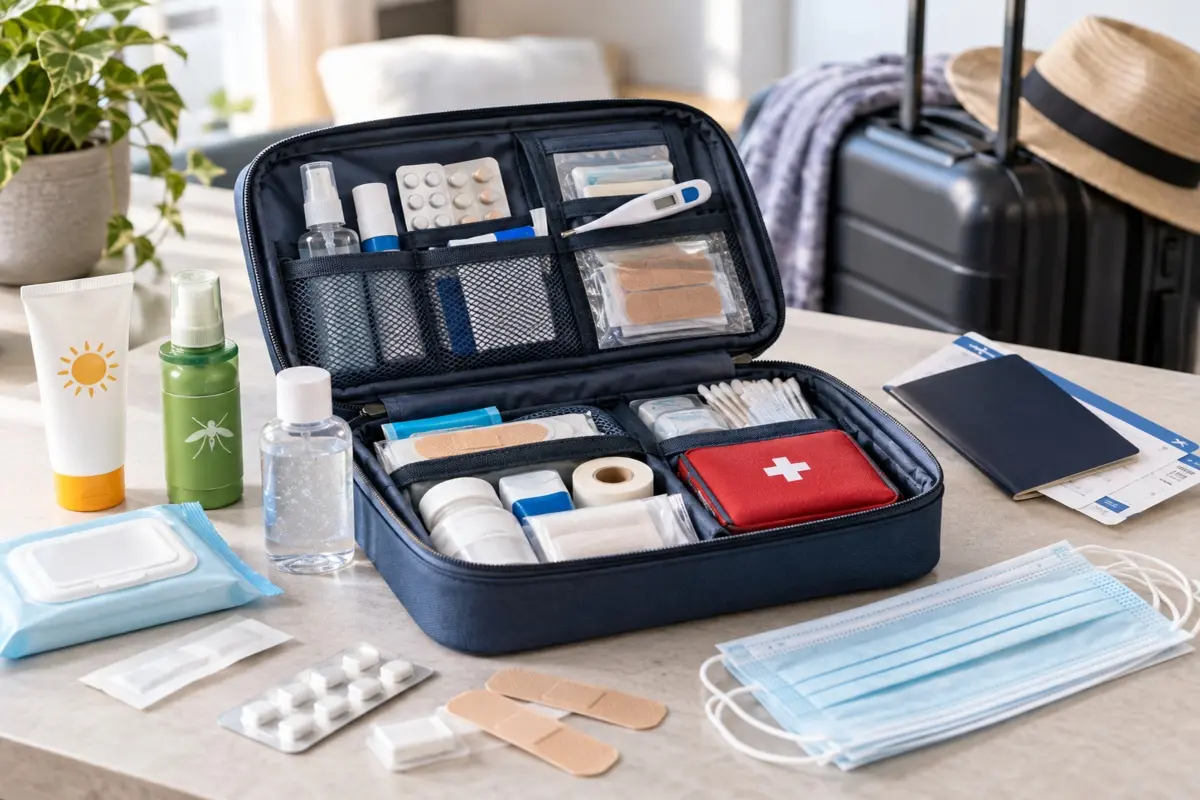
- Sunscreen and sunglasses: UV is stronger at elevation, and sun reflecting off snow and glacier ice is intense.
- Lip balm and moisturizer: the Rockies’ air is dry, and lips crack quickly, especially in winter.
- Insect repellent: useful in summer near lakes and forests.
- Small first-aid kit: blister plasters, pain relief, antihistamines, and any personal items.
- Motion sickness tablets: winding mountain roads can bother some travellers.
- Reusable water bottle: you’ll drink more than you expect in dry air.
If you’re flying, keep liquids in your carry-on in 100 ml containers in one clear resealable bag. Screening rules can change, so check the latest guidance from CATSA before you fly.
Day Bag Checklist for Tours and Sightseeing Days
Your main suitcase stays at the hotel, so your daypack does the real work. A light 15 to 25 litre bag is plenty. On a tour day, here’s what to carry:
- Water bottle and a few snacks (food stops are spread out along routes like the Icefields Parkway)
- Waterproof jacket and a warm layer, even if the morning looks clear
- Toque and gloves for glacier stops or windy viewpoints
- Sunglasses, sunscreen and lip balm
- Phone, power bank and charging cable
- Camera with a spare battery, since cold weather drains batteries faster
- A small amount of cash and your card
- Any medication you might need during the day
A few tours call for extra items. The glacier stop on our Columbia Icefield and Skywalk day tour is noticeably colder than the valley, so a warm jacket and gloves are worth packing even in July. If your day includes a soak at the Upper Hot Springs, like our Banff Gondola, Hot Springs and Lakes tour, pack a swimsuit and a small towel in a plastic bag.
A note on bear spray: bear spray is a sensible item for hiking in the Rockies, but it isn’t allowed in carry-on luggage, and most airlines restrict it in checked bags as well. It’s easier to buy a canister locally in Calgary, Canmore, or Banff. If you plan to hike, learn how to use it before you go, and read our guide to viewing wildlife safely in Banff.
Family Travel Checklist: Packing for Kids
Travelling with children means a few more items, but it doesn’t have to mean a lot more luggage. Use this family travel checklist on top of your own list:
- Documents: each child needs their own passport and, where required, an eTA. If a child is travelling with only one parent or with another adult, the Government of Canada recommends carrying a signed consent letter from the parent or parents who aren’t travelling.
- Layers in kid sizes: a fleece, rain jacket and toque for each child. Kids get cold faster than adults on windy lakeshores.
- Snacks and a refillable bottle: long scenic drives go more smoothly with food on hand.
- Entertainment for the drive: headphones, a downloaded show or a simple travel game.
- A spare outfit: muddy trails and lake water find a way onto small clothes.
- Children’s medication: pain relief, allergy medication, and anything they use at home.
If you’re booking a tour with young children, ask the operator in advance about car seats or booster seats, so you know what to bring.
How Should Your Trip Packing List Change for a 7-Day Trip or Longer?
You don’t need to double your luggage for a longer stay. Most travellers can pack for a week and do laundry if they’re staying longer. Let us discuss a simple 7-day packing list for clothing:
| Item | Quantity for 7 days |
| Tops (mix of base layers and casual shirts) | 4 to 5 |
| Pants (hiking or travel pants plus one casual pair) | 2 to 3 |
| Fleece or mid-layer | 1 to 2 |
| Waterproof jacket | 1 |
| Underwear | 7 to 8 |
| Socks (including warm hiking socks) | 5 to 7 pairs |
| Sleepwear | 1 set |
| Walking shoes plus one casual pair | 2 pairs |
| Toque, gloves and sun hat | 1 each |
How to Pack for a Long Trip Without Overpacking
- Use packing cubes: keep tops, bottoms and layers in separate cubes so you’re not digging through your whole bag at every hotel.
- Wear your bulkiest items on the plane: your boots and warmest jacket take up the most space.
- Plan one laundry stop: most hotels in Banff and Canmore have guest laundry or a service nearby.
- Leave room for souvenirs: a half-empty bag on the way out is better than paying for an extra one on the way home.
If you’re still working out how many days to spend and where, our guide to choosing a multi-day Rockies itinerary from Calgary can help you match your packing to your route.
What Not to Pack for a Canada Trip
A smart vacation luggage checklist also includes what to leave behind:
- Too much cotton: jeans and cotton hoodies take ages to dry and feel cold once damp.
- Bear spray in your luggage: buy it when you arrive instead.
- Fresh food from home: fruit, vegetables, meat and dairy may be restricted at the border, and you must declare food you bring in.
- Cannabis across the border: it’s legal in Canada, but taking it into or out of the country is illegal.
- A recreational drone: flying a drone in national parks is not allowed without a permit.
- Valuables you don’t need: leave expensive jewellery at home.
Packing Tips for a Trip to the Rockies
These are the travel packing tips our team shares most often with guests:
- For changeable weather: always have a rain shell in your bag, even when the forecast says sun.
- For photography: bring a lens cloth. Mist from waterfalls and drizzle at the lakes will find your lens.
- For early starts: lay out your day bag the night before so you’re not packing in the dark.
- For winter: keep your phone in an inside pocket. Cold drains batteries quickly.
- For comfort on long drives: a neck pillow and a refillable bottle make a full day on the road easier.
- For flights: pack one change of clothes and any medication in your carry-on in case checked bags are delayed.
Travel Light and Let Us Handle the Driving
One of the easiest ways to simplify your packing is to skip the car rental. With a guided tour, you don’t need to think about winter tires, parking or park pass displays, and you can leave most of your gear at the hotel. For a short trip, our 2-day Banff and Columbia Icefield Jasper tour only needs a small overnight bag and a warm layer for the glacier. You can also check all our Banff tours from Calgary and pick the days that fit your plans.
Printable Packing Checklist for Your Canada Trip
Copy this list into a note on your phone or print it out and tick items off as you pack.
Documents and money
- Passport (valid for your whole stay)
- eTA or visa, if required
- Travel insurance details
- Booking confirmations (saved offline)
- Parks Canada pass (if driving)
- Credit or debit card and some Canadian cash
- Copies of key documents
Clothing
- Base layers
- Fleece or mid-layer
- Waterproof jacket
- Warm jacket (fall, winter, spring)
- Pants and casual outfit
- Underwear, socks and sleepwear
- Toque, gloves and sun hat
- Swimsuit
Footwear
- Walking or hiking shoes
- Casual shoes
- Winter boots and ice cleats (winter)
Health and toiletries
- Medication in original containers
- Sunscreen and lip balm
- Insect repellent (summer)
- Small first-aid kit
- Toiletries in 100 ml containers
Tech
- Phone and charger
- Power bank
- Type A/B plug adapter
- Camera and spare battery
- Offline maps downloaded
Day bag
- Daypack
- Water bottle
- Snacks
- Sunglasses
- Extra layer
Frequently Asked Questions About a Travel Kit List for Canada
1. What are the 10 essential travel items?
Start with your passport, insurance, and a bank card. Then pack medication, a phone charger, good walking shoes, a rain jacket, a warm layer, sunscreen, and a refillable bottle.
2. What to include in a travel kit?
Think of it as everything you’d hate to buy twice: documents, medication, chargers, a few layers, and comfortable shoes. A small daypack for water and snacks rounds it out nicely.
3. What is the 5 4 3 2 1 rule for packing?
It’s a quick way to stop overpacking on a week-long trip. You bring five tops, four bottoms, three pairs of shoes, two swimsuits or accessories, and just one hat.
4. What to bring to a travel checklist?
Cover the things that are hard to replace first, like your passport, eTA, and bookings. After that, add clothing, toiletries, tech, and medication. In the Rockies, warm layers are non-negotiable.
5. What is the 3-3-3 rule for travel?
It’s a pacing rule many road trippers swear by. Drive no more than 300 miles a day, check in by 3 p.m., and stay three nights before moving on.
6. How to create a travel checklist?
Look at where you’re going, when, and for how long. Group items into documents, clothes, toiletries, and tech, then trim anything you won’t use. Tick items off as they’re packed.