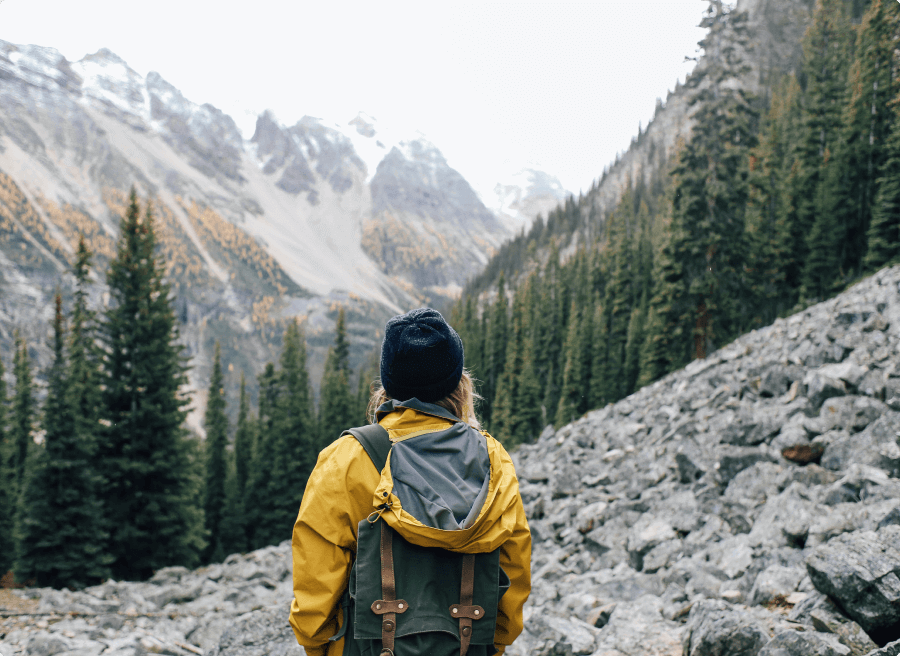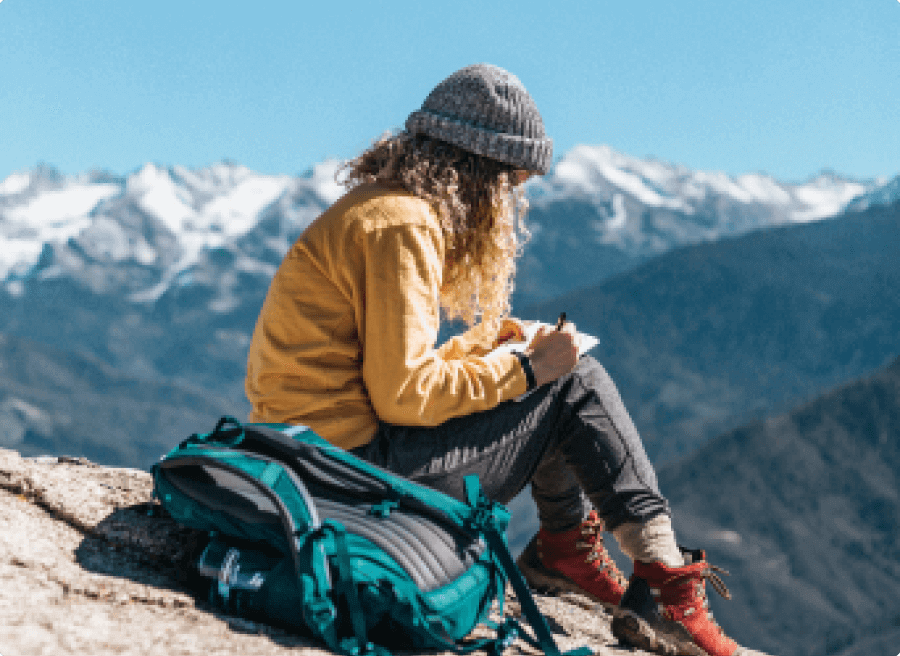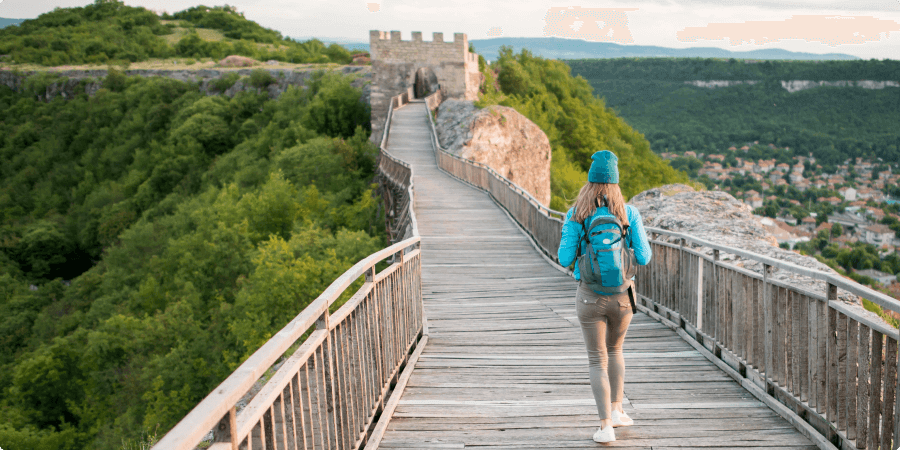




Summer can be an excellent time to hike in Banff and the Alberta Rockies, but a summer date does not guarantee snow-free trails or stable alpine conditions. The right decision depends on current access, weather, trail information, equipment, wildlife preparation and the readiness of everyone in your group.
Use the checks below as a go, adjust or postpone decision. They apply whether you are planning an independent hike or adding walking time to a Calgary-departing Rockies itinerary.
Why summer does not always mean snow-free alpine trails
In Banff National Park, prime hiking season generally runs from July through mid-September. Parks Canada notes that many passes can remain snowbound and subject to avalanche hazard until late June, while most alpine passes are generally snow-free by the middle of July. These are useful planning expectations, not a guarantee for a particular trail or date.
Early summer therefore needs a different mindset from mid-season hiking. A route that looks suitable on a map may still have snow, ice, limited access or other current hazards. Check the specific area before setting out using Parks Canada hiking information.
The pre-hike go, adjust or postpone check

| What to confirm | Why it matters | Your action |
|---|---|---|
| Seasonal access and closures | Roads, trailheads and facilities may have restrictions. | Proceed only when the route is accessible and permitted. |
| Trail conditions and advisories | Snow, ice, flooding, poor visibility or other hazards can change difficulty. | Choose another route or postpone if conditions exceed your preparation. |
| Weather beyond the trailhead | Mountain conditions can differ from those at your starting point. | Pack for rain, wind and temperature changes, with a turnaround plan. |
| Group readiness | The route must suit every participant’s experience and ability. | Use a shorter or lower route when the group is not evenly prepared. |
| Wildlife preparation | Bear spray is less useful if it is buried in a pack. | Carry it accessibly, review its use and stay alert. |
1. Confirm access, closures and trail conditions first
Before travelling to the trailhead, check the latest road status, seasonal access information, trail reports and park advisories. Look for information specific to the route and date rather than relying on an old blog post, social media photo or general statement that the area is open.
This matters when your plan includes a waterfall, high pass or access road with seasonal restrictions. The approach to Takakkaw Falls, for example, has seasonal access considerations, and conditions can affect routes that continue into higher terrain. Review the latest seasonal access information and official advisories before setting out.
Do not treat a booking, map route or planned tour stop as proof that a hiking route is currently suitable. Make a final conditions check close to departure.
2. Plan for weather beyond the trailhead
A warm, sunny trailhead can create false confidence. Parks Canada advises visitors to bring rain gear and a sweater even when conditions are pleasant at the start, because weather may change by the time you reach your destination. Wind, rain, lower temperatures and reduced visibility can make an exposed or higher route uncomfortable or unsafe.
Check the forecast for the wider route and consider how conditions may change with elevation. Ask whether your group can turn around safely if visibility worsens, rain begins or the temperature drops. If the forecast is uncertain and your equipment or experience is limited, choose a more sheltered walk or postpone.
3. Pack for the conditions you may encounter
There is no single gear list for every summer alpine route. Equipment should reflect the trail’s current conditions, exposure, distance, elevation and your group’s experience. Review this focused checklist:
- Layers: Bring clothing you can add or remove as temperature and wind change.
- Rain protection: Pack a waterproof or weather-resistant outer layer, even if the morning is clear.
- Footwear: Wear shoes or boots appropriate for mud, loose rock or lingering snow.
- Water and food: Carry enough for delays, a slower pace or an unplanned return.
- Sun protection: Bring protection suitable for a long day outdoors.
- Navigation and communication: Carry route information and communication essentials appropriate to the area. Do not depend on a phone signal everywhere.
- Route-specific equipment: Add anything required by current conditions and the planned activity.
For easier Banff walks, advice on layers, water and hiking essentials can help build a basic day-hike checklist. Adapt it to the actual route rather than assuming a valley walk and alpine pass require the same preparation.
4. Make wildlife preparation practical, not symbolic
Bear spray is only useful if it is accessible and you know how to use it. Alberta recommends carrying bear spray and a noise maker, reading the instructions in advance and keeping the spray immediately available rather than inside your backpack. Parks Canada advises carrying it in a holster that can be reached easily with your dominant hand.
Before walking, check that you understand the safety mechanism and can reach the canister without removing your pack. Carrying spray does not prevent an encounter, so continue to stay alert, respect wildlife space and follow current park guidance.
Travel in a tight group, make appropriate noise and stay attentive. Remain on marked routes and never approach or feed wildlife. These habits complement advice to keep bear spray accessible and stay on the marked path.
5. Match the route to the group, not the scenery
The most ambitious person should not determine the plan. Consider the least-prepared participant, including children, older adults, people with mobility limitations and anyone unfamiliar with uneven or changing mountain terrain.
Assess experience, fitness, footwear, weather tolerance, navigation confidence and the group’s ability to turn around calmly. A shorter valley walk, viewpoint or lower-elevation route may provide a better day than pushing into higher terrain when one person is uncomfortable or under-equipped.
If you are adding a hike to an organized sightseeing day, confirm the expected walking distance, surface, elevation, time available and equipment requirements before booking or joining.
6. Know when to shorten or postpone the hike
Changing plans is a normal part of mountain preparation. Shorten or postpone when access is restricted, current conditions conflict with your equipment, or the route is affected by a hazard your group cannot manage.
Other reasons include deteriorating weather, poor visibility, lingering snow, an incomplete wildlife-safety plan, an unrealistic turnaround strategy or a participant becoming tired, cold or uncomfortable early in the route. Do not wait until the group reaches the most exposed section.
Agree on decision points before leaving. If access, weather or group readiness does not align, select a lower-risk alternative or return while everyone still has energy and visibility.
When organized transport and itinerary support make sense
Independent hiking suits travellers who want full control over route and timing. An organized trip may suit visitors who would rather reduce transport and itinerary-planning work between Calgary and destinations across the Rockies.
Banff Trip Planner offers Calgary-departing Canadian Rockies day tours and multi-park itineraries, including Banff, Yoho, Lake Louise, Moraine Lake, Jasper and the Columbia Icefield. Formats include small-group, private and luxury VIP tours, with selected experiences offering bundled attraction tickets.
An organized tour does not replace official safety checks or guarantee that every hiking plan is appropriate. Review the route, walking expectations, inclusions and current advisories before booking.
A final summer alpine hiking checklist
- Route, road access and seasonal restrictions have been verified.
- Current trail information and park advisories have been reviewed.
- The forecast beyond the trailhead has been checked.
- Layers, rain gear, suitable footwear, water and food are packed.
- Bear spray is accessible, and everyone understands the basic carrying plan.
- The group will stay together, follow marked routes and respect wildlife space.
- The route suits the least-prepared member of the group.
- A turnaround or postponement decision has been agreed before departure.
If one check is incomplete, pause before setting out. Let the latest official information determine whether you go, adjust the route or wait.
Frequently asked questions
Are Banff’s alpine trails usually snow-free in early summer?
Not necessarily. Many passes may remain snowbound and subject to avalanche hazard until late June. Most alpine passes are generally snow-free by mid-July, but conditions vary by route and season.
What should I carry for changing summer weather?
Carry adaptable layers, rain gear, suitable footwear, water, food and route-appropriate navigation and communication essentials. Parks Canada specifically recommends rain gear and a sweater even when the trailhead is warm and sunny.
Where should bear spray be carried?
Keep it in a readily accessible holster, not inside your backpack. Parks Canada recommends a position that can be reached easily with your dominant hand. Read the instructions before leaving.
Should I postpone if the trailhead weather is fine but the alpine forecast is uncertain?
If you cannot prepare confidently or establish a realistic turnaround plan, choose a shorter, more sheltered route or postpone. Trailhead conditions do not necessarily represent conditions higher on the route.
Can an organized tour help with summer Rockies hiking logistics?
It can reduce transport and itinerary-planning work, particularly for visitors travelling from Calgary between destinations. Confirm walking expectations, equipment needs, route details and official advisories before travelling.
Make the decision from current conditions
Safe summer alpine hiking starts with a decision, not a packing list. Proceed when access, weather, trail conditions, equipment, wildlife preparation and group readiness align. If they do not, a shorter route or postponed outing is the responsible choice.
For travellers who prefer organized transport and itinerary support from Calgary, review the Rockies options from Banff Trip Planner Inc., then confirm the route, walking expectations and current official advisories before departure.