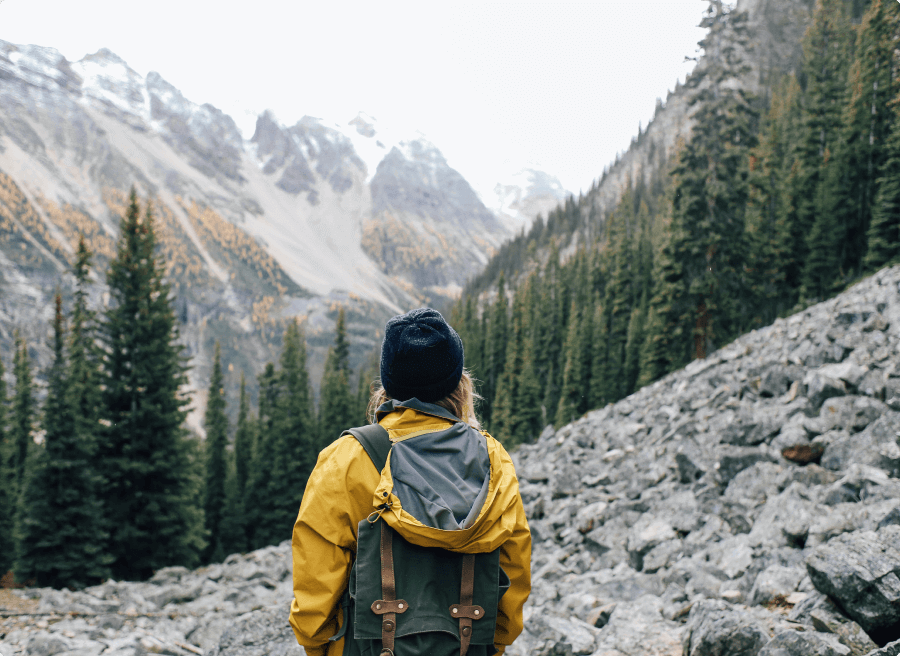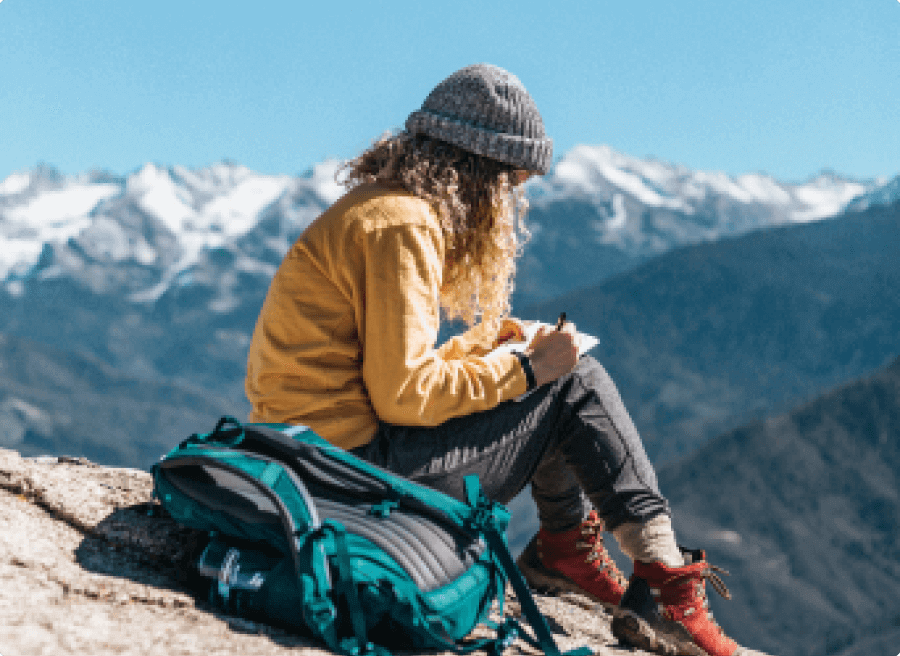




The best multi-day Rockies packing list is built around your route, season, activities, and transport rather than a long list of generic gear. For a two- to four-day itinerary from Calgary, pack a flexible core of layers, comfortable footwear, personal essentials, and a small day bag. Then add specific items for winter conditions, lake and waterfall stops, Columbia Icefield sightseeing, city visits, and any ticketed attractions on your booking.
This approach works particularly well for itineraries combining Banff, Jasper, Yoho, Drumheller, and Calgary. Banff Trip Planner Inc. offers shared small-group, private, and luxury VIP experiences, along with transportation, transfers, itinerary planning, and hotel bookings. Match your packing plan to the tour format and confirmation you receive.
The core multi-day Rockies packing list
Use this as a starting checklist for a multi-day Banff, Jasper, or Canadian Rockies trip. It is general planning advice, not a universal list of requirements for every park, attraction, hotel, or tour.
- Layered clothing: Pack comfortable everyday clothing, breathable base layers, a warm mid-layer, and a weather-resistant outer layer.
- Comfortable footwear: Bring shoes suitable for long sightseeing days and a second option if your itinerary includes walks or wet conditions.
- Socks and undergarments: Pack enough for the full itinerary, plus a small backup in your day bag.
- Weather protection: Include sun protection and rain or wind protection appropriate for the season.
- Personal essentials: Carry medication, toiletries, glasses or contact-lens supplies, and items needed for children or mobility requirements.
- Travel documents: Keep identification, booking confirmations, accommodation details, and emergency contact information together.
- Electronics: Bring your phone, charging cable, wall charger, and a power bank if useful for your plans.
- Small day bag: Choose one that holds daily layers, water, personal items, and documents without becoming difficult to carry.
Clothing that can handle changing stops

A layered system is more useful than several bulky outfits. It lets you adjust during a day that moves between a vehicle, viewpoints, town stops, indoor attractions, and outdoor sightseeing.
- A comfortable base layer worn under other clothing.
- A fleece, sweater, light insulated layer, or similar warm mid-layer.
- An outer layer that helps protect you from wind or rain.
- Comfortable trousers or similar everyday bottoms for town visits and sightseeing.
- Sleepwear and a change of clothes for each planned night, adjusted to your accommodation and laundry access.
- A warm hat and gloves when the season or itinerary calls for them.
Pack clothing that can be mixed and matched. One versatile outfit for Calgary or Drumheller may also work for a casual Banff town visit, reducing the need for separate urban and outdoor wardrobes.
Footwear and personal comfort
Footwear should reflect what you will actually do. Comfortable walking shoes may suit viewpoint stops and town sightseeing, while longer walks, uneven surfaces, or wet conditions may call for more support and protection.
Break in new footwear before travelling. Keep spare socks in your day bag and consider a second pair if space allows. The right choice depends on the booked route, current conditions, and walking plans. Confirm activity-specific guidance rather than assuming one pair suits every excursion.
What belongs in your day bag versus main luggage?
On a multi-day tour, you may not want to reopen your main luggage at every stop. Separate items needed during the day from those intended for your accommodation.
| Day bag | Main luggage |
|---|---|
| Phone, wallet, identification, and booking confirmations | Most clothing and backup footwear |
| Medication needed during the day | Toiletries and non-essential personal items |
| One extra layer and weather protection | Additional layers and sleepwear |
| Water bottle and permitted snacks | Spare clothing and less frequently used electronics |
| Sunglasses, tissues, lip balm, and comfort items | Items intended for your hotel or accommodation |
This is an organization suggestion, not a statement about luggage limits or storage policies. Confirm bag-size and luggage instructions with your tour operator.
How should the list change by season?
Use the season as a planning factor, but do not rely on a fixed weather assumption. Check the forecast and current conditions close to departure, then compare them with your stops and activities.
Summer Rockies packing list
Prioritize breathable clothing, a light warm layer, sun protection, and rain protection. Include comfortable footwear for sightseeing and possible walks. A compact layer is useful when moving between open viewpoints, vehicles, and indoor attractions. Review summer tour options and check each booking for its inclusions.
Winter Rockies packing list
Give more attention to warmth, coverage, and footwear suited to expected conditions. Consider warm base layers, an insulating layer, a protective outer layer, warm socks, gloves, and a hat. Keep an extra layer accessible. Review winter tour information and ask about activity-specific needs.
Shoulder-season adjustments
For spring or autumn travel, plan for variation. Pack removable layers, a weather-resistant outer layer, comfortable closed-toe footwear, and spare socks. Check the forecast and route before adding heavy, single-purpose items.
Add-ons for different Rockies itineraries
A useful packing list includes only what your route calls for. The following choices reflect itinerary types offered by Banff Trip Planner Inc., subject to individual booking details.
Banff, Jasper, and multi-park routes
A three- or four-day combination involving Banff, Jasper, and Drumheller can include several sightseeing environments and long touring days. Pack a small, repeatable clothing system rather than a separate wardrobe for each destination.
- Keep your warmest flexible layer accessible each day.
- Pack in simple categories so items are easy to find when changing accommodation.
- Use a pouch for medication, charging cables, and documents.
- Carry one comfortable outfit for both a town stop and casual evening plans.
- Confirm hotel, transfer, vehicle, and luggage arrangements rather than assuming they are identical.
For help comparing formats, read about private Banff tour benefits and booking questions.
Lake, waterfall, and viewpoint days
For Lake Louise, Moraine Lake, Emerald Lake, Takakkaw Falls, and similar stops, keep your day bag easy to carry and your outer layer accessible. Bring comfortable footwear, water, sun protection, and weather protection suited to the forecast.
Do not pack technical hiking equipment simply because a destination has a nearby trail. Match equipment to the activity in your booking. See the Emerald Lake planning information and Takakkaw Falls hiking tips for additional context.
Columbia Icefield and Icefields Parkway days
Use the same core approach for a Columbia Icefield or Icefields Parkway day: layers, comfortable footwear, sun and weather protection, water, and accessible personal essentials. Keep your confirmation available if your tour includes a ticketed experience.
Banff Trip Planner lists select experiences that bundle the Columbia Icefield Adventure and Skywalk. Inclusions vary by tour, so check your confirmation rather than assuming admission, meals, equipment, or other services are included.
Drumheller, Calgary, and mixed urban-outdoor itineraries
A route combining Calgary, Drumheller, and mountain destinations benefits from adaptable clothing rather than separate city and outdoor outfits. Pack comfortable everyday clothes, a layer for outdoor stops, and footwear suitable for walking between vehicles, attractions, and viewpoints.
Review the company’s Calgary tour options and Drumheller destination information when deciding what your route requires.
Packing for shared, private, and luxury VIP tours
Your tour format affects how you should organize belongings. On a shared small-group itinerary, a compact, clearly organized bag can simplify daily transitions. Do not assume you can access stored luggage whenever you want.
A private tour may provide more flexibility, but you should still confirm luggage and vehicle details. Luxury VIP travel also benefits from focused packing: bring essentials, avoid unnecessary duplicates, and choose layers that work across the itinerary. Read about luxury VIP planning priorities and private tour benefits.
Documents, medication, and electronics
- Identification and documents required for your personal travel arrangements.
- Tour booking confirmations and accommodation details.
- Medication in clearly labelled containers, with enough for the itinerary.
- Phone, charging cable, wall charger, and power bank if useful.
- Important contact details for your accommodation, operator, and companions.
- Glasses, contact-lens supplies, hearing-device accessories, or other personal equipment.
Keep anything needed during the day in your day bag. This is a personal organization recommendation, not medical advice or a replacement for operator requirements.
Keep ticketed experiences easy to access
Select Banff Trip Planner experiences include bundled tickets for the Banff Gondola, Lake Minnewanka Cruise, Columbia Icefield Adventure, and Skywalk. If one appears on your booking, save the confirmation where you can access it without opening main luggage.
Review the exact inclusion list before departure. Tickets are not included in every tour, and your booking may contain instructions about timing, identification, meeting points, or changes. Compare available experiences through the company’s tour listings.
The key tradeoff: pack light without underpacking
Overpacking creates problems on a multi-stop trip, but packing too little can leave you unprepared. The goal is a manageable bag containing versatile items that are accessible when needed.
- Choose clothing that works in more than one setting.
- Limit duplicate outfits and single-purpose accessories.
- Use packing cubes or pouches for clothing, medication, and electronics.
- Keep one reliable outer layer and add lighter layers beneath it.
- Separate daily essentials from stored luggage before the first touring day.
Do not reduce essential medication, accessibility items, or seasonal clothing simply to save space. Ask about bag access, storage, and vehicle arrangements before departure.
Your final itinerary audit before leaving Calgary
- Dates and destinations: Confirm the order of your stops.
- Pickup details: Recheck the address, time, and any Canmore or other pickup arrangement.
- Accommodation: Verify hotel details and decide what must remain in your day bag.
- Ticket inclusions: Confirm whether attractions such as the Gondola, cruise, Adventure, or Skywalk are included.
- Booking terms: Review cancellation and rescheduling terms.
- Current conditions: Check the forecast and tour or attraction updates.
- Contact information: Save the operator’s details for easy access.
- Personal needs: Confirm that medication, identification, chargers, and family or accessibility essentials are in the right bag.
Banff Trip Planner provides online booking-management options for rescheduling, cancelling, or updating pickup details. Use the relevant booking process and confirm any change before relying on it.
A useful Rockies packing list is flexible, accessible, and itinerary-led
A strong multi-day Rockies packing list starts with a compact core kit, then adapts to the season, route, activity level, and tour format. Layers are more useful than multiple specialized outfits, a comfortable day bag keeps important items within reach, and the individual booking should settle questions about tickets, pickup arrangements, luggage, and tour policies.
Before leaving Calgary, audit the list against every destination and attraction on your confirmation. For itinerary-specific packing or pickup questions, contact Banff Trip Planner Inc. through its official website before departure.